
Beyond Pine: Three Woods Every Small Shop Should Try
Cleaner cuts, better grain, and still easy on the wallet

Material Identification
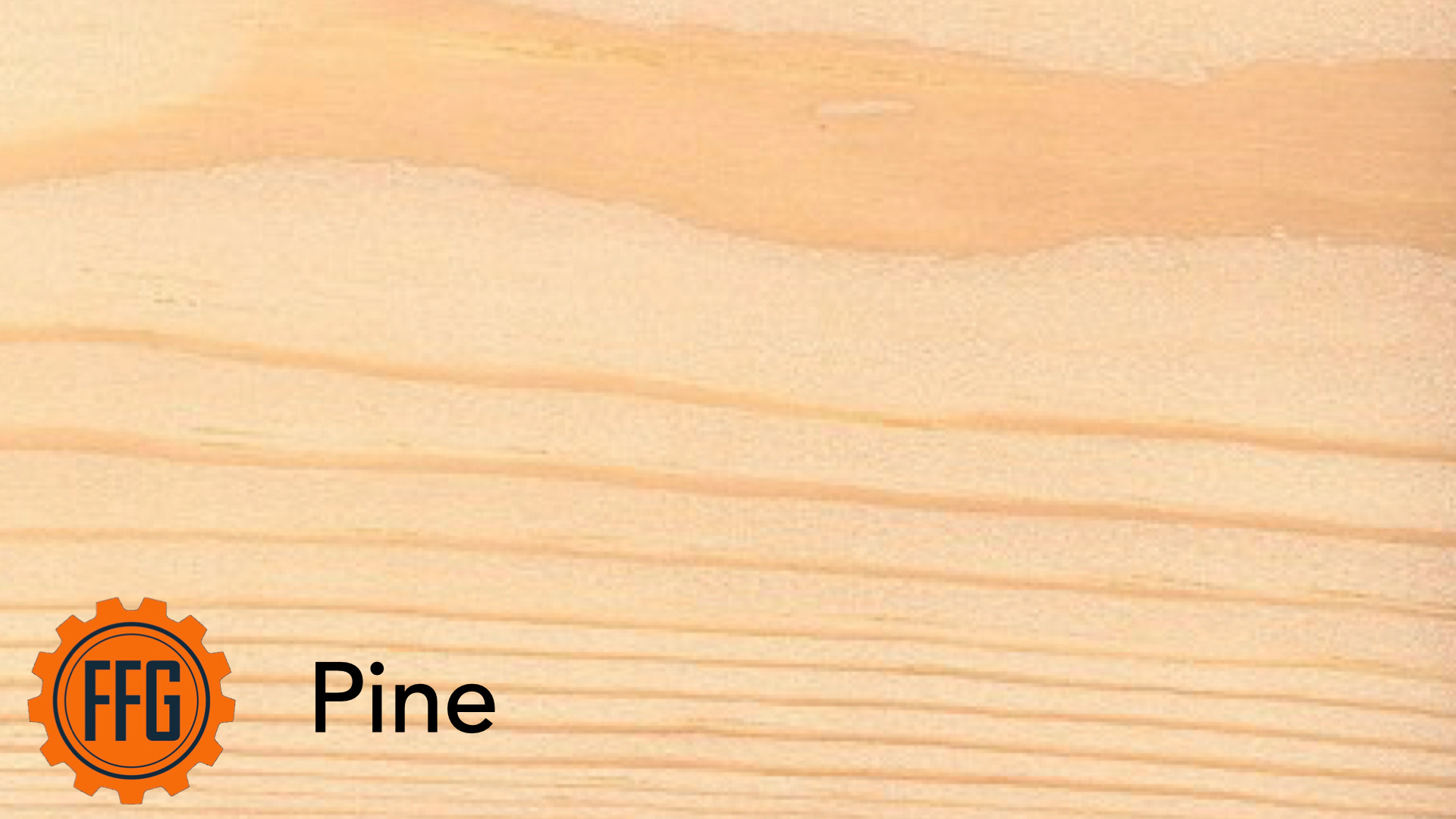
Pine is everywhere…
Big-box stores have made it the default for hobby projects. But there are better, inexpensive woods out there that cut cleaner, look better, and make your projects feel like a step up. Three that have stood out in my shop are clear alder, poplar, and basswood.
I started using poplar and basswood years ago when I was building art frames. Both were easy to mill, planed beautifully, and took paint evenly. Over the past weekend, I worked with clear alder for the first time, and it quickly earned a place on the list.
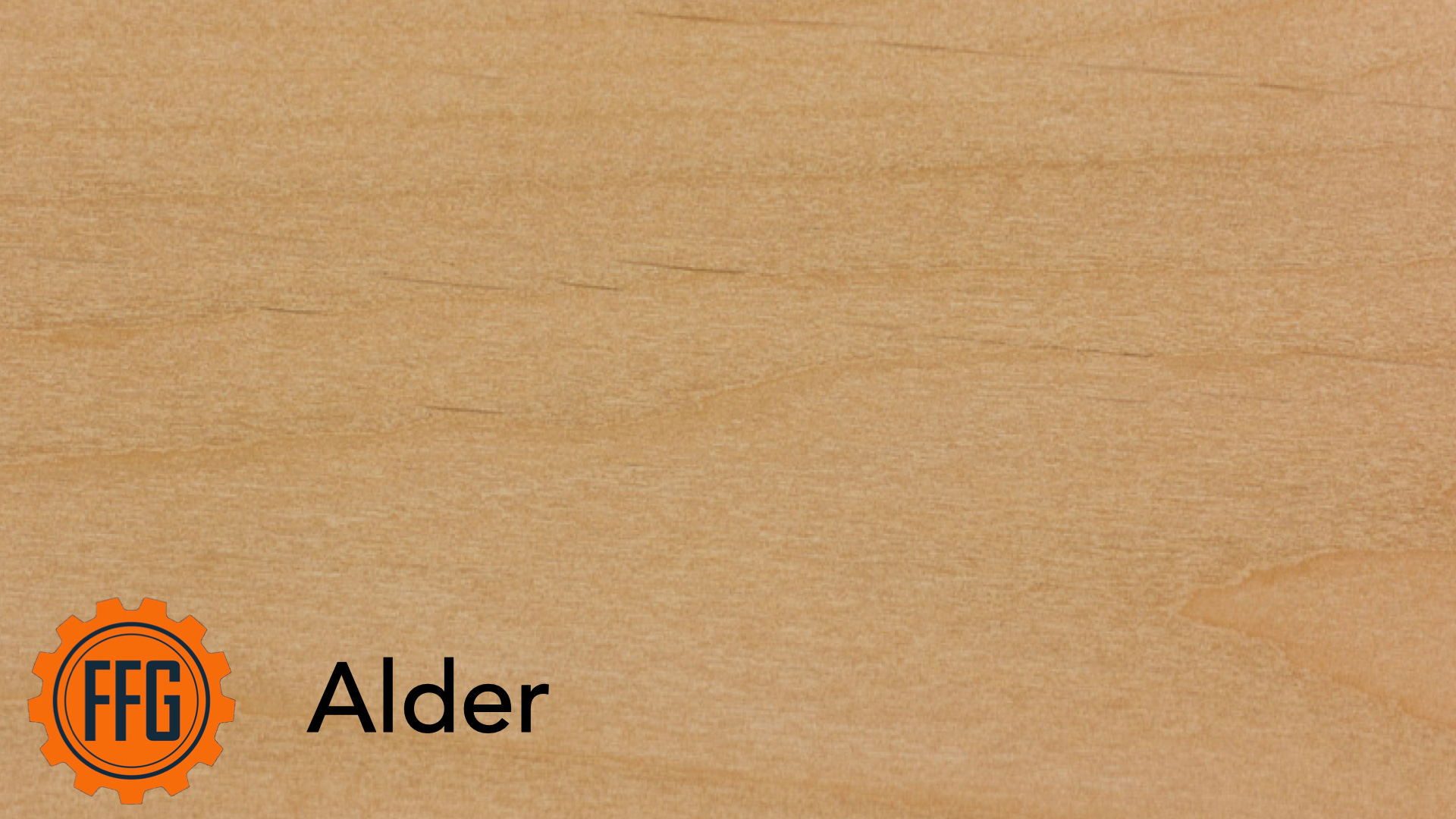
Alder is smooth, has less resin than pine, and the grain looks far more refined. It cuts and sands well without the sappy mess you often get with pine. For furniture or decorative work, alder gives you that clean, finished look without costing more than the typical pine board.
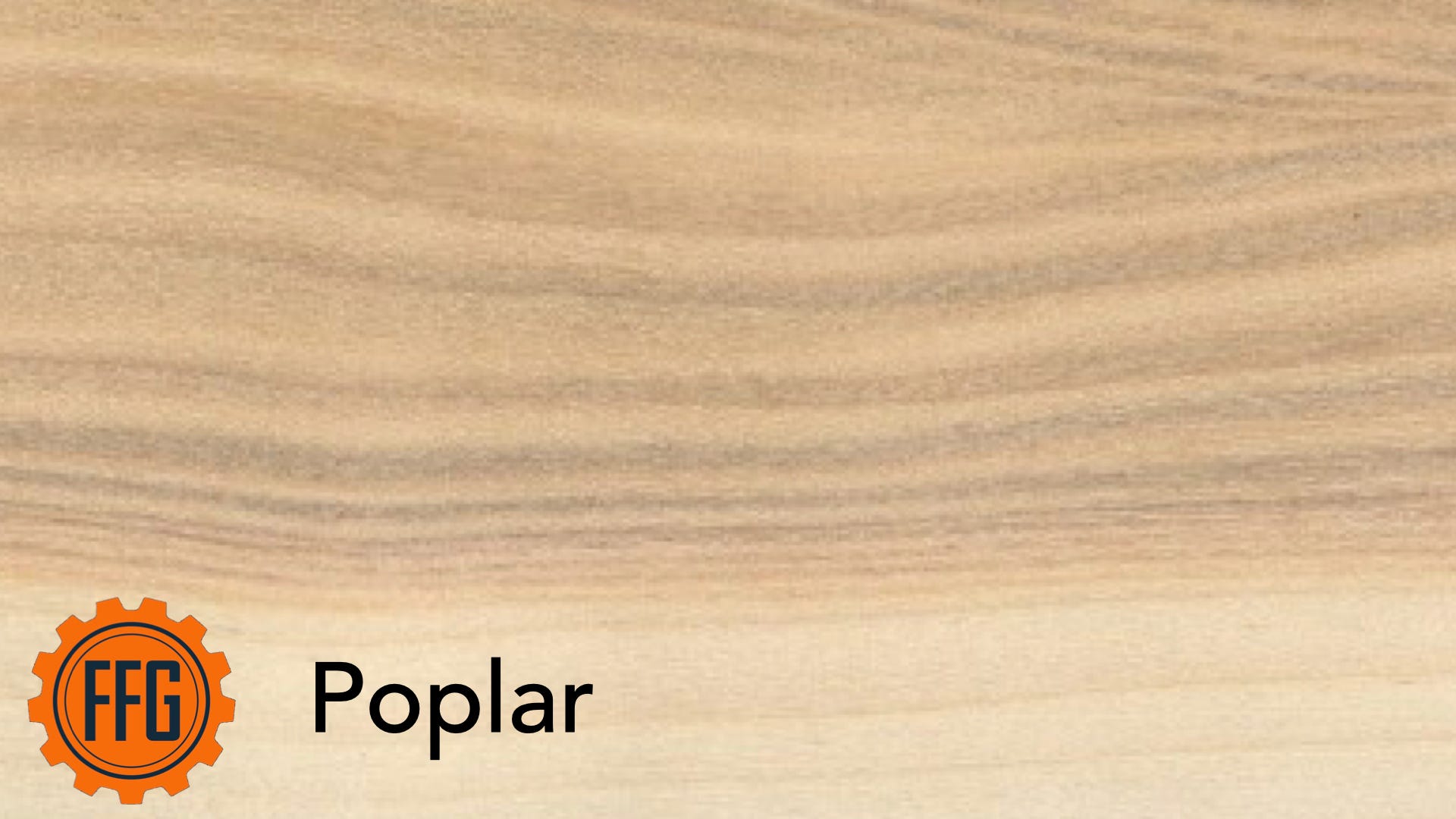
Poplar shares some of the same good traits, easy to cut, forgiving to sand, and great to run through a router or molding machine. It’s perfect for painted furniture, trim, or interior structure pieces. Its greenish hue isn’t ideal for stain, but under paint it performs very well.
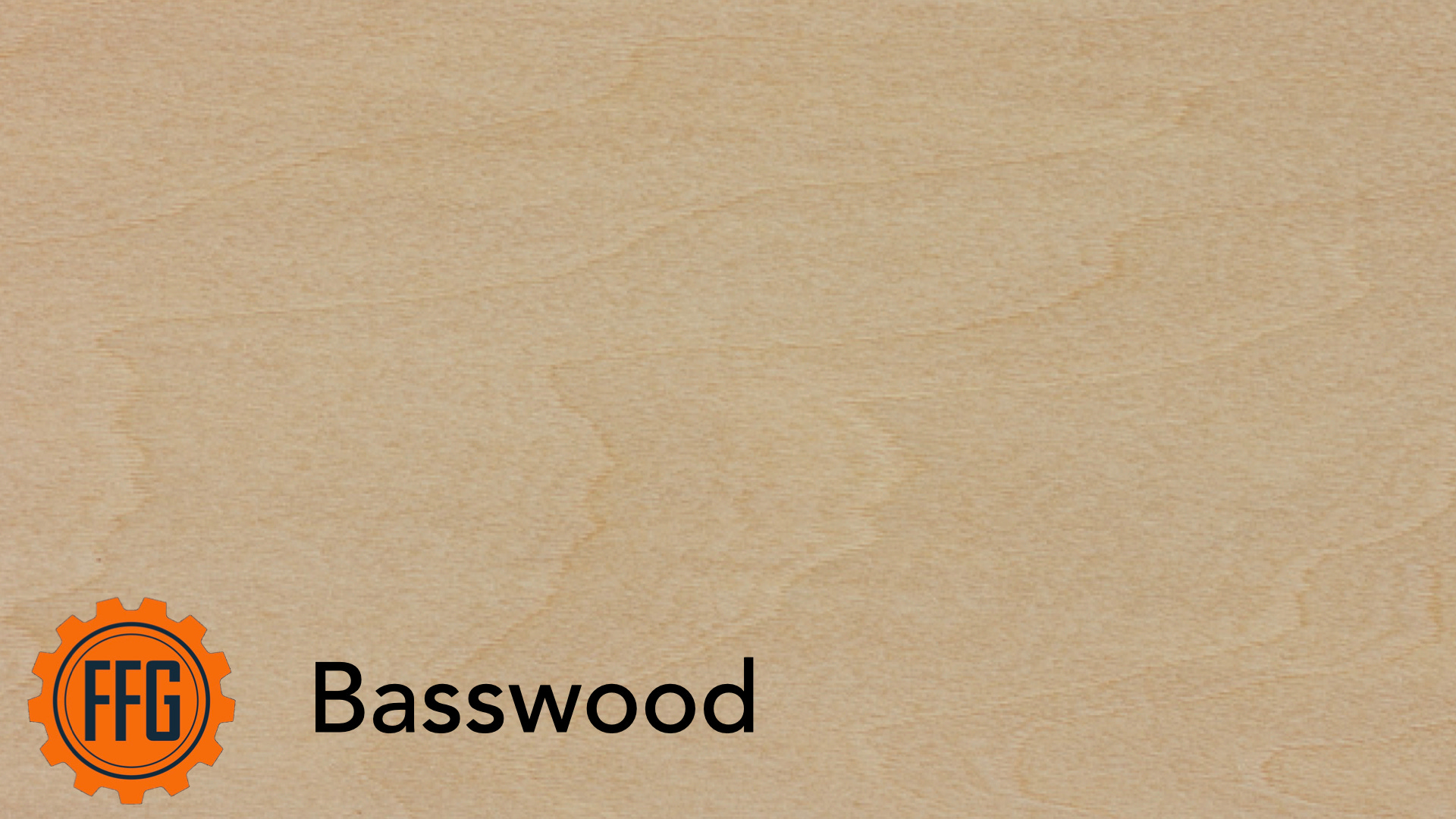
Basswood is the softest of the three and the lightest. It’s excellent for carved or molded details and takes a painted finish very well. It’s not for stained wood or heavy structural parts, but if you’re carving trim or decorative details, it’s one of the best woods you can use in a small shop.
If you’re going to try just one, start with alder. It’s got the best mix of looks, workability, and price… a great step up from the typical big-box pine.
Quick Field Guide Tip
Build a Relationship with Your Local Lumber Yard
Skip the big-box stores when you can. Lumber yards often have a better selection, lower prices, and services like planing or straight-lining that can save time in a small shop.
Before you go, learn the basics: wood is often sold in “four-quarter” (about 1 inch thick rough) and “eight-quarter” (2 inches thick rough). Once planed, those become roughly ¾ and 1¾ inches thick. Knowing those terms will make your first visit smoother.
Some yards even sell offcuts cheap… often by the truckload. If you’ve have a planer, that’s gold.
Video Dispatch
What’s in My Workshop? — Shop Tour (Tools, Layout & What’s Coming Next)
See how my shop is laid out, what tools I use, and what projects are coming up next.
Watch here:
End of the Trail
I’m working on something new…
An upcoming class that’s starting to take shape. More on that soon.
Have you tried alder, poplar, or basswood in your own shop? Or do you have another affordable favorite? I’d like to hear what’s been working for you.
Cheers!